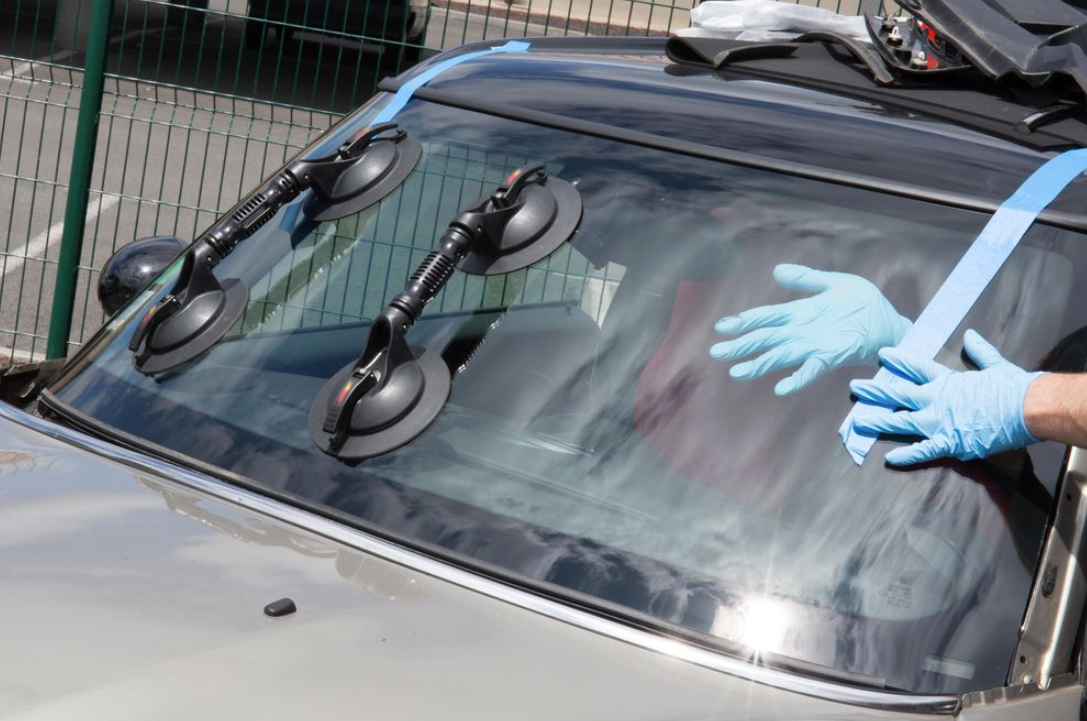
Why ADAS Recalibration Matters After Windscreen Replacement
Why ADAS recalibration matters after windscreen replacement comes down to accuracy. If your vehicle uses a windscreen-mounted camera for lane assist, emergency braking or other driver-assistance features, replacing the glass can change the camera's position relative to the road. Recalibration ensures those systems are working from the correct reference point again.
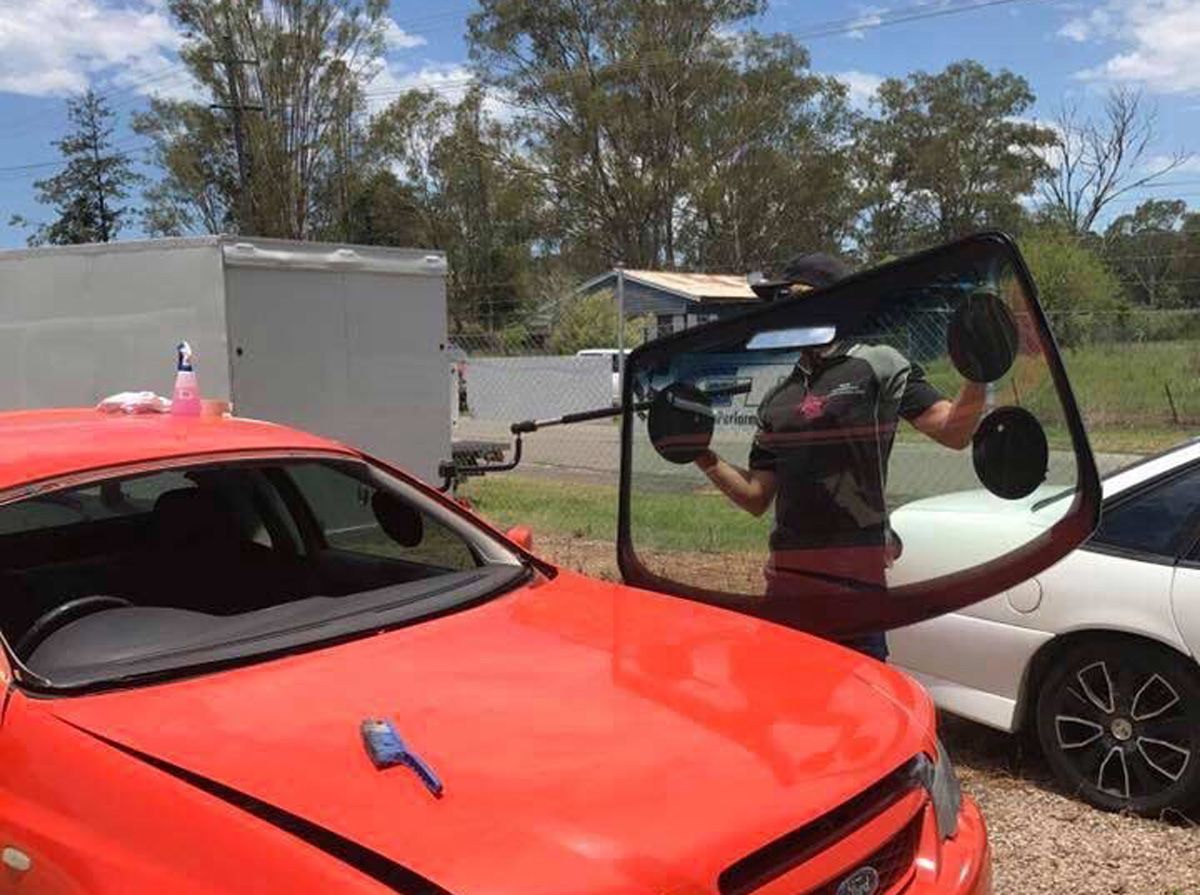
For Grafton drivers, this means windscreen replacement on an ADAS-equipped vehicle involves more than fitting new glass. The camera and associated systems need to be considered as part of the job, particularly where the vehicle manufacturer requires recalibration after replacement.
What Is ADAS and How Does It Rely on Your Windscreen?
ADAS stands for Advanced Driver Assistance Systems. Depending on the vehicle, these systems can include lane departure warning, lane-keeping assistance, autonomous emergency braking and adaptive cruise control. Many modern vehicles use a forward-facing camera mounted around the top-centre area of the windscreen. That camera looks through the glass to gather information about the road ahead, including lane markings and other vehicles or objects relevant to the systems it supports.
The important point is that the camera doesn't simply need a clear view. It also needs to be correctly positioned and calibrated so the vehicle's ADAS can interpret what it sees as intended. During a windscreen replacement, the camera may need to be removed or disturbed before being refitted with the replacement glass. Even though it may appear to sit in exactly the same position afterwards, calibration can still be required.
If you'd like more detail on the process itself, read how ADAS calibration works: a simple guide for Grafton drivers.
Why Must Camera Alignment Be Precise After Windscreen Replacement?
ADAS cameras use a specific field of view and reference points to interpret what is happening in front of the vehicle. That makes correct camera alignment important. A small change in the camera's position or angle can affect how the system interprets information from the road. The camera may still switch on without necessarily being correctly calibrated for the new windscreen installation.
Think of it like looking through a camera that has been shifted slightly from its intended position. The image may still look normal to you, but the reference point has changed. In an ADAS-equipped vehicle, calibration establishes the correct relationship between the camera, vehicle and road again.
This is why a warning light should not be the only thing you rely on. A vehicle may require calibration after windscreen replacement even if there isn't an obvious dashboard warning telling you something is wrong.
What Happens If ADAS Calibration Is Skipped?
If required calibration is skipped, the driver-assistance systems that depend on the camera may not interpret their surroundings as accurately as intended. For example, a system may have difficulty identifying lane markings accurately or may misjudge information about the position or distance of objects ahead. The exact effect depends on the vehicle and the ADAS technology fitted.
That does not mean every uncalibrated vehicle will immediately display obvious symptoms. In fact, that is part of the problem: a driver may assume everything is operating correctly because there is no warning light and the car feels normal during everyday driving.
ADAS features are designed around accurately positioned sensors and cameras. If the manufacturer specifies recalibration after the windscreen has been replaced, it should be treated as part of completing the replacement correctly rather than as an optional extra.
Why Does Calibration Matter Most for Lane Assist and Emergency Braking?
Lane-related assistance relies heavily on the vehicle accurately interpreting road markings and its position relative to them. If the forward-facing camera isn't correctly calibrated, lane departure warnings or lane-keeping functions may not interpret those markings as intended. Autonomous emergency braking can also use information from forward-facing ADAS sensors to help identify potential hazards ahead. Depending on the vehicle, the system may use a camera, radar or a combination of sensors.
Because these features can influence warnings or vehicle responses, correct calibration matters. You don't want to discover that a system isn't interpreting the road correctly at the moment you expect it to assist.
Adaptive cruise control can also form part of the ADAS package. Again, the exact sensor arrangement varies between makes and models, which is why the correct procedure needs to be determined for the particular vehicle rather than assuming every ADAS system works the same way.
Example: A driver has their windscreen replaced and the camera is refitted in what appears to be the correct position. The vehicle drives normally and no obvious warning appears. If the manufacturer requires recalibration, however, visual positioning alone doesn't confirm that the camera is correctly aligned. The calibration procedure is what verifies the system against its required reference points.
When Is ADAS Recalibration Required?
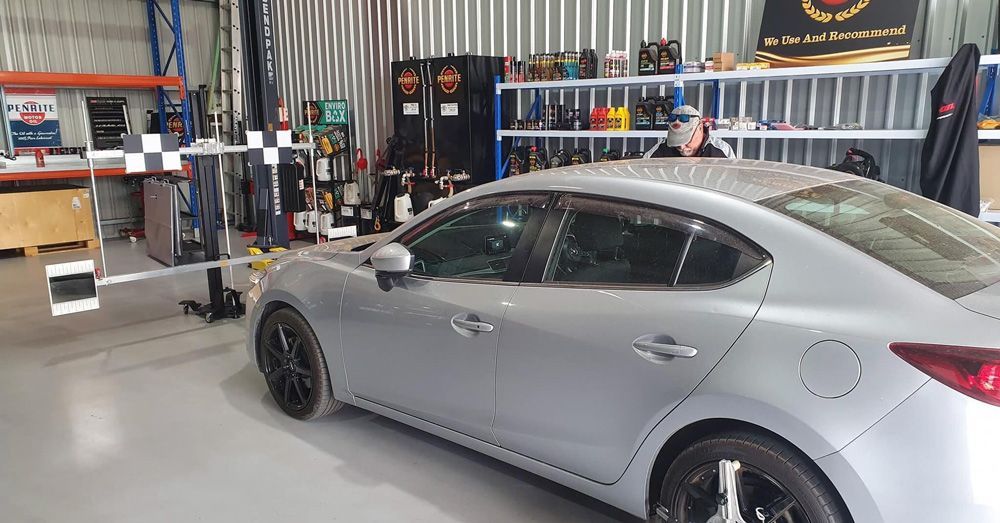
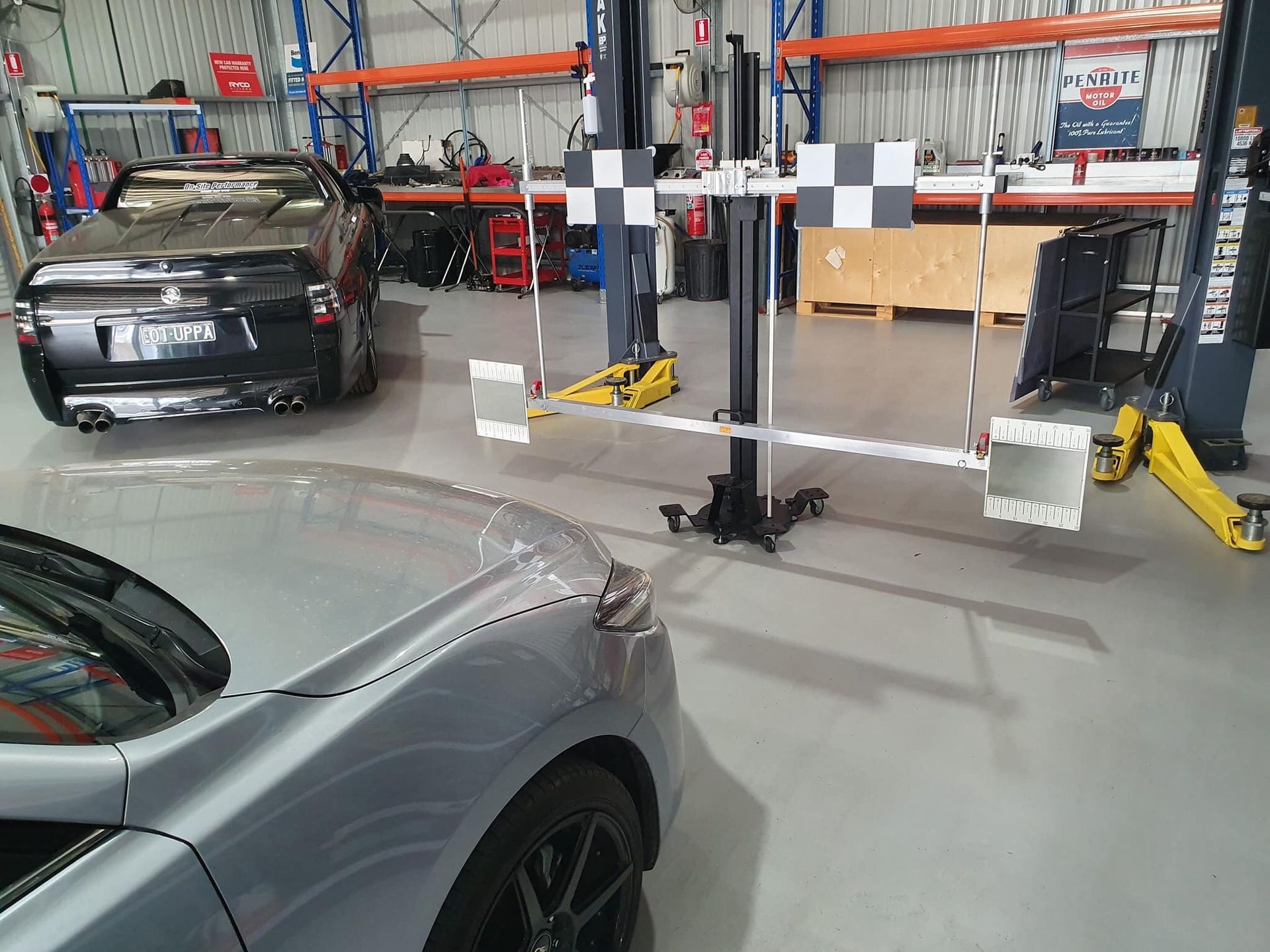
Windscreen replacement is a common reason for recalibrating a forward-facing ADAS camera because the camera's mounting position is directly associated with the glass. Whether calibration is required, and the method used, depends on the vehicle manufacturer and the ADAS equipment fitted. Some vehicles may use a static calibration process, a dynamic road-based process or a combination of procedures.
Other work involving ADAS cameras or sensors can also create a need for calibration. The key is to follow the requirements for the specific vehicle rather than relying on a one-size-fits-all rule.
If your car has a camera mounted behind the windscreen, mention the ADAS features when arranging the replacement. Features such as lane assist, lane departure warning and autonomous emergency braking are useful clues that the vehicle may require additional calibration work.
For drivers booking windscreen replacement Grafton, confirming the ADAS requirements before the job starts helps ensure the glass replacement and any necessary recalibration are considered together.
How Do You Get ADAS Recalibration Done Right the First Time?
Start by making sure the windscreen technician knows your vehicle has driver-assistance technology. Don't assume all cameras and sensors are obvious or that every model from the same manufacturer uses the same setup.
The replacement glass needs to be suitable for the vehicle and its equipment, and any required camera calibration should follow the appropriate procedure for that vehicle. The aim isn't simply to remove a dashboard warning; it is to ensure the system has the correct reference points after the windscreen work.
If you're unsure whether your vehicle has ADAS, look around the area behind the rear-view mirror for a forward-facing camera housing and check the vehicle's features or owner's information. Lane departure warning, lane-keeping assistance, emergency braking and adaptive cruise control can all indicate that driver-assistance technology is fitted.
Road Runner Windscreens Grafton can assess the windscreen and ADAS requirements when arranging replacement. If your vehicle has a windscreen-mounted camera, tell the team which driver-assistance features it has so the correct replacement and calibration requirements can be identified from the outset.
Ultimately, why ADAS recalibration matters after windscreen replacement is straightforward: replacing the glass can affect the reference point used by safety-related cameras, and calibration ensures those systems can operate as intended afterwards. Getting the windscreen and calibration requirements addressed together means you're not leaving an important part of the replacement unfinished.
Frequently Asked Questions
Does every windscreen replacement need ADAS calibration?
No. Vehicles without windscreen-mounted ADAS equipment won't require camera recalibration for that equipment. For ADAS-equipped vehicles, the requirement depends on the vehicle and manufacturer procedure.
How do I know if my car has an ADAS camera?
Look for a camera or sensor housing around the top of the windscreen, commonly behind the rear-view mirror. Features such as lane assist, lane departure warning and autonomous emergency braking can also indicate ADAS equipment is fitted.
Can I drive without recalibrating the camera?
If the manufacturer requires calibration after windscreen replacement, it should be completed as part of restoring the ADAS to its intended operating condition. An uncalibrated system may not interpret lane markings, vehicles or other information as accurately as intended.
Will an ADAS warning light appear if calibration is wrong?
Not necessarily. The absence of a dashboard warning should not be treated as confirmation that the camera is correctly calibrated after windscreen replacement.
What is lane assist calibration?
Lane assist calibration establishes the correct reference points for the camera used by lane-related driver-assistance features. The required procedure varies between vehicles and manufacturers.
Can ADAS calibration be completed with the windscreen replacement?
Where the vehicle requires it and the appropriate calibration service is available, recalibration can be addressed as part of the overall windscreen replacement process. Confirm the vehicle's ADAS equipment when arranging the job.