What To Expect After A Windscreen Replacement
Getting a cracked or damaged windscreen sorted brings genuine relief — but many drivers aren't sure what comes next. Can you drive away straight away? Should you avoid the car wash? What if the seal looks slightly different to the old one? These are common questions, and the answers matter more than most people realise.
A windscreen isn't just a sheet of glass — it's a structural component that contributes to the rigidity of your vehicle and, in many modern cars, houses critical safety systems. Windscreen replacement in Grafton comes with specific aftercare steps that protect the repair and keep you safe on the road.
How the Adhesive Cures — and Why It Matters
Modern windscreens are bonded to the vehicle frame using a urethane adhesive. This adhesive requires time to reach its full structural strength, and driving before it has cured adequately can compromise the bond, affect the seal and — in a serious accident — impact how the windscreen performs as a safety component.
The curing process is affected by several factors:
- Ambient temperature and humidity at the time of installation
- The specific adhesive product used by the technician
- Whether the vehicle was kept stationary during the initial set period
Most urethane adhesives reach a safe minimum drive-away time of around one to two hours under normal conditions, though your technician will give you a specific timeframe based on the product used and the conditions on the day.
How Long After Windscreen Replacement Can I Drive?
This is one of the most searched questions after a windscreen job, and it's a reasonable one. The short answer is that it depends on the adhesive used and the conditions at the time of installation — but a common minimum is one hour for standard products under typical weather conditions.
A few important points to keep in mind:
- Your technician's advice takes priority over any general guideline — follow the specific timeframe they give you
- Cooler or more humid conditions can slow curing, meaning a longer wait may be recommended
- Even after the minimum drive-away time, the adhesive continues to cure and reach full strength over the following 24 hours
How long after windscreen replacement can I drive safely at highway speeds or on rough roads? Most technicians recommend avoiding high-speed driving and unsealed roads for at least 24 hours to allow the bond to fully set.
Leave the Retention Tape On
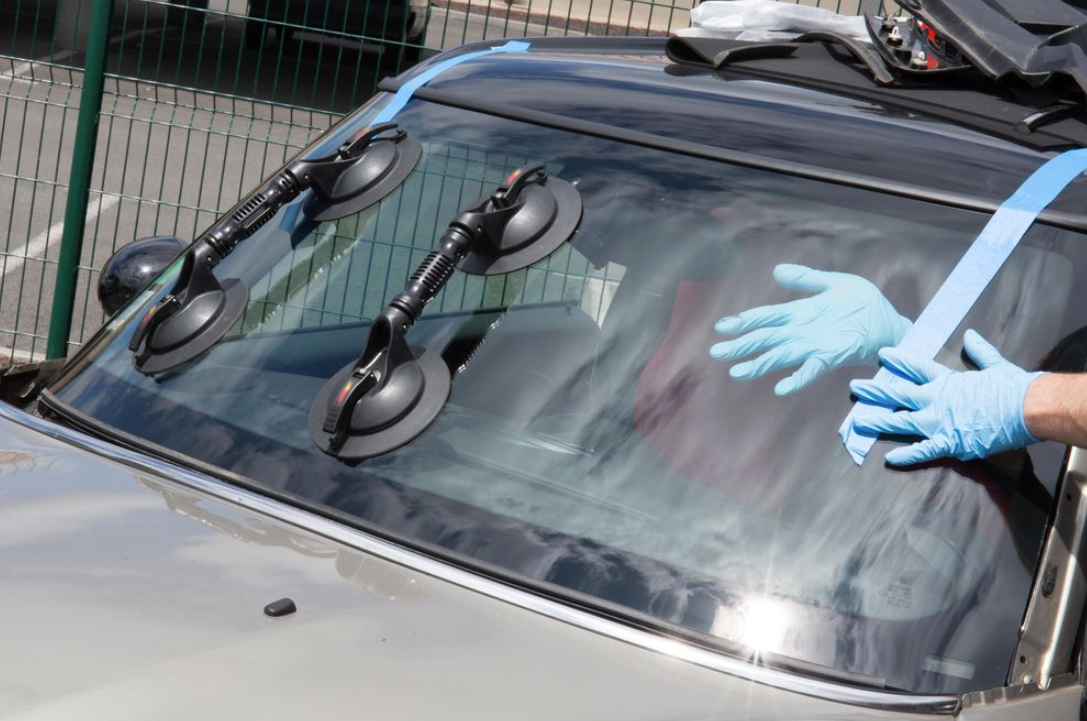
After installation, technicians often apply small strips of tape around the edges of the windscreen. These aren't just for aesthetics — they hold the moulding in place while the adhesive cures and help maintain the correct positioning of the glass.
- Leave the tape in place for as long as your technician recommends, typically around 24 hours
- Don't peel it off early, even if it looks like the windscreen is already firmly in place
- If the tape falls off on its own before the recommended time, let your technician know
Removing the tape prematurely can shift the moulding before the adhesive has fully bonded, potentially affecting the seal and water tightness.
Avoid Car Washes and Pressure Water
Water and high pressure are two things a freshly installed windscreen doesn't need in the first 24 to 48 hours. Automatic car washes in particular create pressure, flexing and water infiltration risks that can disturb a bond that hasn't fully cured.
Things to avoid in the period immediately after replacement:
- Automatic or hand-held pressure car washes
- High-pressure hoses directed at the windscreen edges or seals
- Submerging or parking the vehicle in heavy rain where possible in the first hour or two
A light rinse after the full cure period is generally fine, but check with your technician before taking the vehicle through any kind of wash facility.
Keep One Window Slightly Open
This is a tip that surprises many people. For the first hour or so after installation, leaving one window cracked open slightly helps equalise air pressure inside the cabin when doors are opened and closed.
- Slamming a door in a sealed cabin creates a pressure surge that can push outward on a freshly bonded windscreen
- A slightly open window allows that pressure to escape without stressing the new seal
- This is particularly relevant in the first couple of hours before the adhesive has firmed up
It's a small step, but one that professional technicians consistently recommend for good reason.
ADAS Calibration — A Critical Step for Modern Vehicles
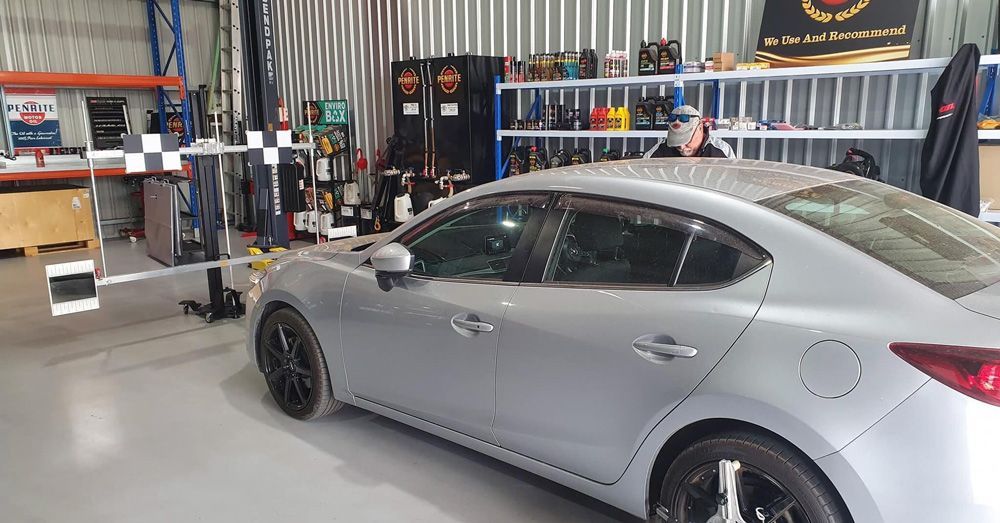
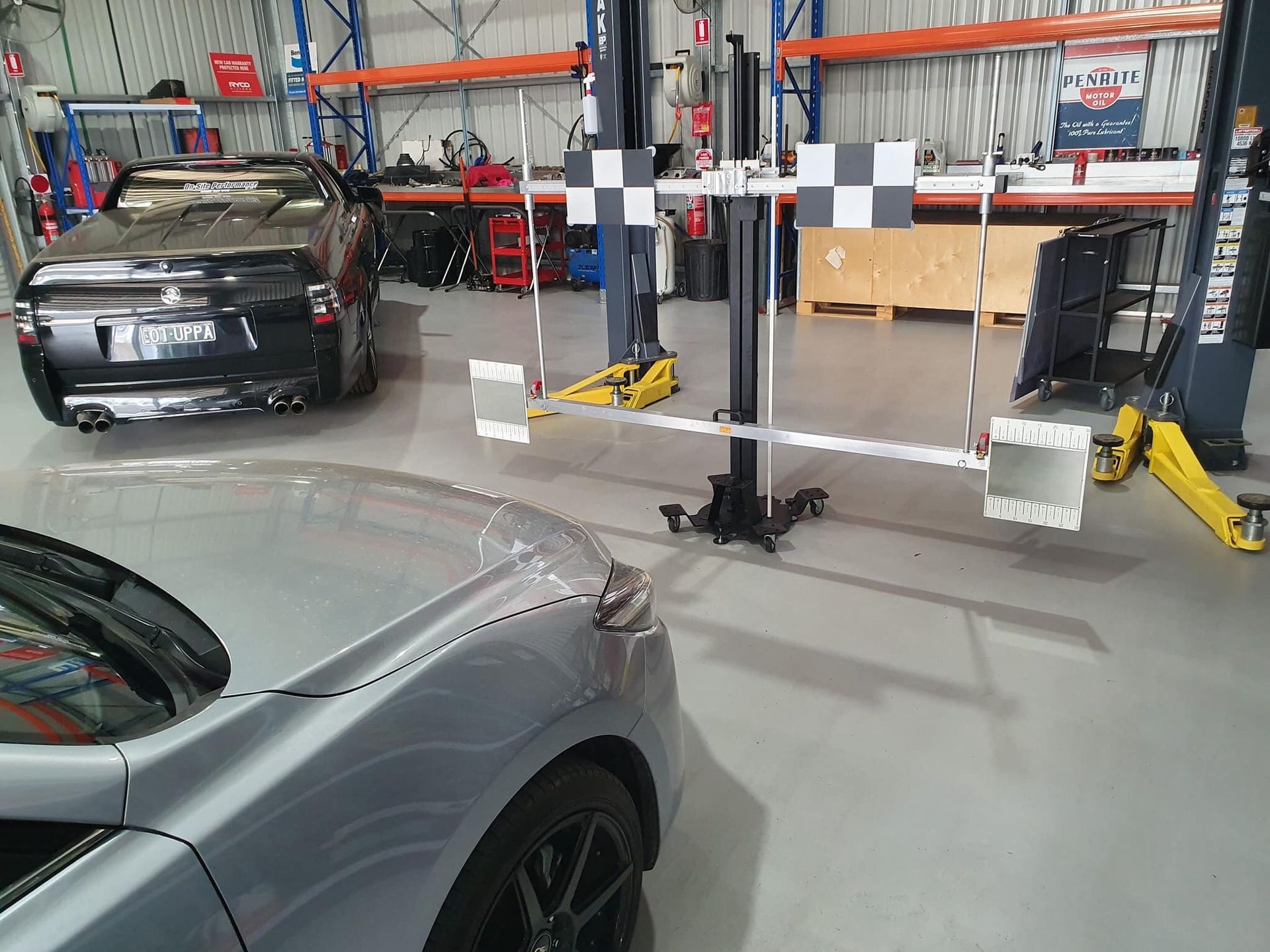
Many newer vehicles have cameras, sensors and radar systems mounted to or near the windscreen that support Advanced Driver Assistance Systems (ADAS) — including lane keeping, automatic emergency braking and adaptive cruise control. Replacing the windscreen on these vehicles requires recalibration of those systems to ensure they function correctly.
- Uncalibrated ADAS systems may not perform as intended, affecting safety features you rely on daily
- Calibration is typically performed after the adhesive has cured and the vehicle is on level ground
- Not all windscreen providers offer ADAS calibration — confirm this before booking if your vehicle is equipped
Skipping calibration after a replacement on an ADAS-equipped vehicle is a significant safety risk, regardless of how well the glass itself was fitted.
Checking the Seal and Final Finish
Once the adhesive has fully cured — usually within 24 hours — it's worth doing a basic check of the installation before returning to normal use. A well-fitted windscreen should sit flush with the roofline, with an even, consistent seal around the entire perimeter.
Signs worth noting and raising with your technician if they appear:
- Visible gaps or inconsistencies in the sealant line around the edges
- Any whistling or wind noise at highway speeds that wasn't present before
- Water ingress around the edges during or after rain
- Distortion or optical irregularities in the glass itself
A reputable technician will stand behind their work — if something doesn't look right, raise it promptly.
Taking the Next Step
We at Road Runner Windscreens take care of the full replacement process — and that includes making sure every customer leaves with a clear picture of what to do afterwards. Grafton's mix of regional driving, unsealed roads and variable weather means your windscreen works hard, and a proper installation followed by the right aftercare keeps it performing as it should.
If you have questions about a recent replacement, need a new windscreen assessed or want to book a job, reach out to our team for windscreen replacement in Grafton that gets it right.